

You cannot truly know Rwanda from the window of a safari truck. The pulse of daily life happens around the table: at roadside grill spots where charcoal smoke drifts into the twilight, along the quiet docks of Lake Kivu where fishermen haul silver catches under lantern light, and in neighborhood milk bars where neighbors meet over cold glasses of fresh dairy.
Rwandan food is fresh, wholesome, and deeply tied to volcanic hillsides. It relies on farm-fresh staples like sweet plantains, nutrient-dense beans, cassava roots, and freshwater sardines. Exploring our complete Rwanda tours and activities opens up an authentic culinary world that few guidebooks fully explain. Here is the local guide to what to eat in Rwanda, how dishes are prepared, and where to find the best flavors.
| Dish Name | What It Is | Primary Ingredients | Where to Experience It |
|---|---|---|---|
| Isambaza | Small lake sardines | Lake fish, seasoned flour, lime, chili | Lakeside restaurants in Karongi & Rubavu |
| Brochettes | Grilled meat skewers | Goat, beef, or tilapia with onions & pili-pili | Local evening pubs and roadside grills |
| Isombe | Pounded cassava leaf stew | Cassava greens, peanut butter, dried fish broth | Traditional family homes & lunch buffets |
| Ibitoki & Ibishyimbo | Plantains and beans | Steamed green bananas, red kidney beans | Daily household staple across all provinces |
| Amata & Ikivuguto | Fresh & fermented milk | Pure whole cow’s milk, natural starter | Inyange Milk Zones & local milk bars |
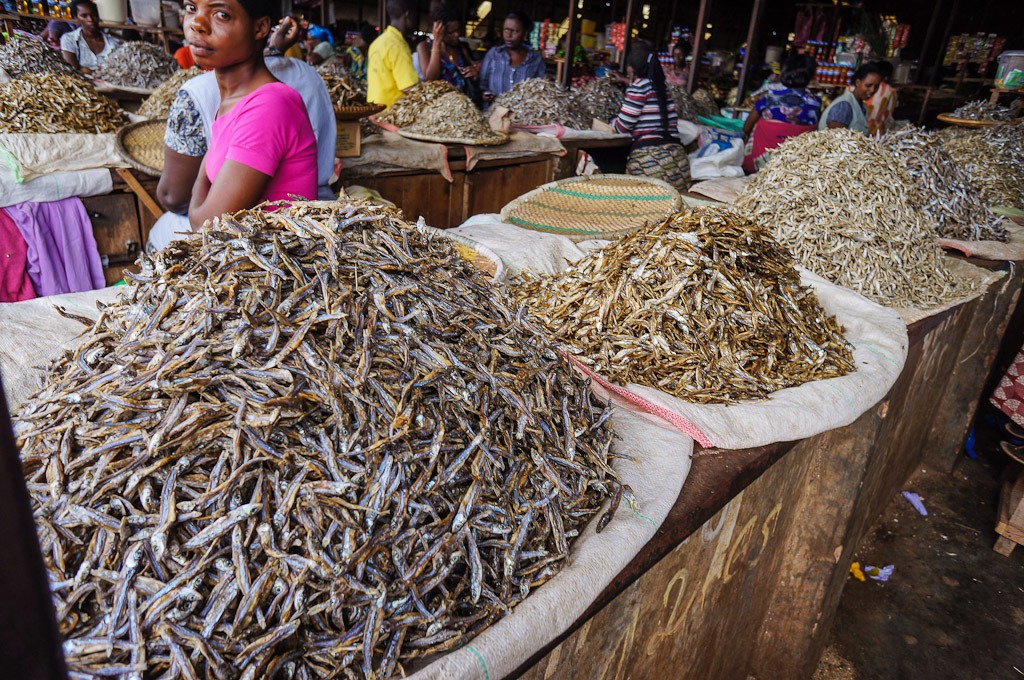
If there is one dish that defines western Rwanda, it is Isambaza. These small, sardine-like freshwater fish are unique to Lake Kivu and Lake Tanganyika. Lightly tossed in seasoned flour and fried whole until crisp, they are served hot in baskets with a squeeze of fresh lime, golden chips (frites), and spicy pili-pili dip.
Every evening at sunset, local fishermen tie their three-canoe wooden boats into trimarans and row out into deep water, singing traditional folk songs while lighting bright lanterns to attract the fish. You can witness this living tradition firsthand on our guided Night Fishing Experience on Lake Kivu.
When dusk falls in Kigali or town centers along the lakeshore, the smell of wood smoke marks the beginning of the evening brochette ritual. Skewered cubes of goat meat (ihene), beef, or whole lake tilapia are marinated in garlic, oil, and bouillon, then grilled slowly over charcoal embers until tender and charred at the edges.
Brochettes are customarily paired with roasted Irish potatoes (ibirayi) or sweet grilled plantains (mizuzu). On every single table sits Rwanda’s secret culinary icon: Akabanga. Packaged in a small yellow eyedropper bottle, this concentrated yellow scotch bonnet chili oil is potent—just one single drop on your skewer delivers intense heat without overpowering the smoky flavor of the meat. To find the top neighborhood grilling hubs, consult our local guide on what to do in Kigali.

Traditional Rwandan cuisine is deeply vegetarian-friendly. The cornerstone of everyday family meals is Isombe, a rich stew made by pounding tender cassava leaves in a wooden mortar until fine, then simmering them for hours with onions, garlic, leeks, and ground peanut paste until silky and deeply savory.
At midday lunch spots across the country, locals order the classic mélange buffet plate, piling steamed green plantains (igitoki), boiled cassava roots (imyumbati), and slow-cooked red beans (ibishyimbo) alongside pumpkin and avocado slices. To experience authentic village cooking and agricultural traditions, explore our hands-on Rwanda Culture Experience Tour.

Cows hold sacred cultural significance in Rwanda, serving for centuries as symbols of prosperity, kinship, and peace. This heritage created a cultural institution found nowhere else in Africa: the neighborhood Milk Bar (Amata Meza or Inyange Milk Zone).
Step inside one of these bustling shops, and you will see motorcycle taxi drivers, students, and elders seated side by side on wooden benches, drinking frothy mugs of cold ikivuguto (rich, tangy fermented milk akin to drinkable yogurt) or hot boiled milk with honey. Out of cultural respect, Rwandans always sit down while drinking milk.

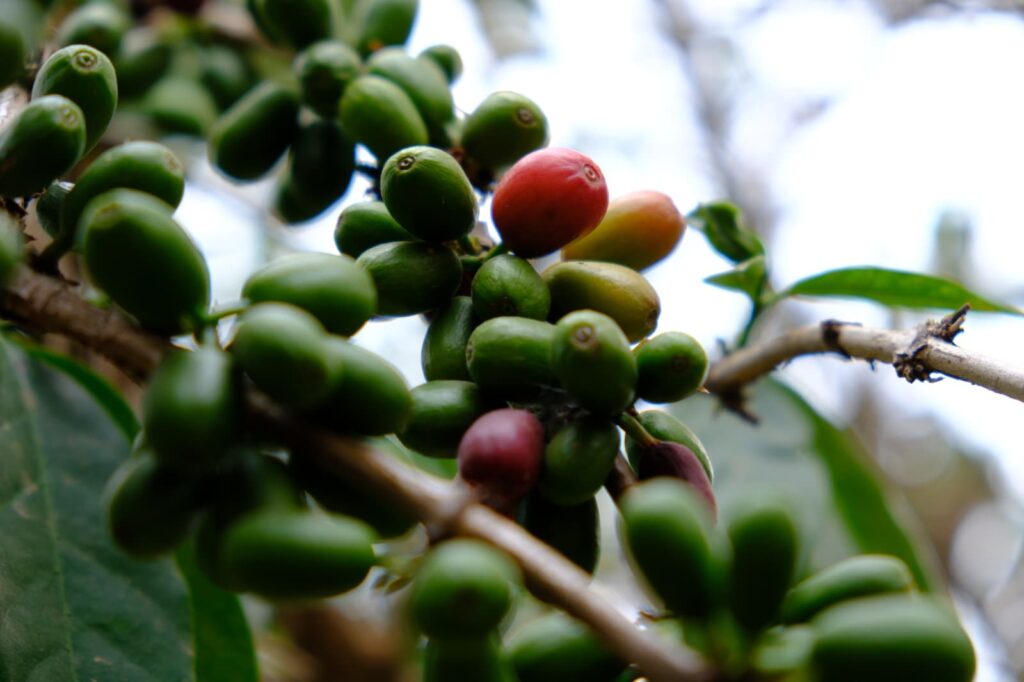
The steep, mineral-rich volcanic soils that rise above Lake Kivu produce some of the finest Bourbon Arabica coffee on the global market. The altitude and cool lake breezes give Rwandan beans distinct bright notes of citrus blossom and wild honey.
Visiting a lakeside washing station lets you follow the journey directly from red cherry picking to washing channels, raised sun-drying tables, and freshly roasted pour-overs. You can combine scenic boat rides with a farm tasting on our Lake Kivu Day Tour and Coffee Washing Station Experience.
Is Rwandan food spicy?
No. Traditional dishes are cooked with mild, savory seasonings like onions, garlic, and bouillon. Heat is always added at the table using fresh pili-pili sauce or drops of Akabanga chili oil, allowing each diner to adjust spiciness to their preference.
Can vegetarians and vegans eat well in Rwanda?
Yes, extremely well. Daily staples like beans (ibishyimbo), plantains (igitoki), sweet potatoes (ibijumba), cassava roots, and isombe (when cooked without dried fish) are 100% plant-based and served widely at local lunch buffets.
What is the best drink to pair with Rwandan meals?
For hot lunches, fresh milk or warm ginger-spiced African tea (thé au gingembre) is the local choice. For evening brochettes, crisp local beers like Skol Select, Primus, or Virunga Mist are standard everywhere.
At Go Lake Kivu Adventure, we believe travel should touch all the senses. From catching sambaza alongside singing fishermen at night to touring shoreline coffee farms and enjoying authentic local lunches, we organize custom culinary and outdoor tours across Rwanda:
