
When travelers plan their trip to Rwanda, mountain gorillas in Volcanoes National Park or the quiet shores of Lake Kivu often take the spotlight. But treating Rwanda’s capital merely as a transit hub does the country a disservice. Clean, organized, safe, and draped across rolling ridgelines, Kigali is one of the most dynamic and welcoming capital cities in Africa.
Whether you have 24 hours before heading out on safari or a few leisurely days to dig into contemporary Rwandan life, this local guide walks you through the essential landmarks, neighborhood culture, artisan markets, scenic viewpoints, and culinary staples that define Kigali today.
Every journey in Rwanda should begin at the Kigali Genocide Memorial in Gisozi. To truly appreciate the peace, unity, and rapid progress of modern Rwanda, you must first understand where the country stood in 1994.
The memorial serves as the final resting place for more than 250,000 victims of the 1994 Genocide against the Tutsi. The permanent exhibitions take visitors through pre-colonial Rwandan society, the systemic division introduced under colonial rule, the harrowing 100 days of violence, and the extraordinary reconciliation process that followed.
Kigali’s creative renaissance is flourishing. Young Rwandan artists and craftspeople blend age-old traditions with modern visual expression across several vibrant creative spaces.
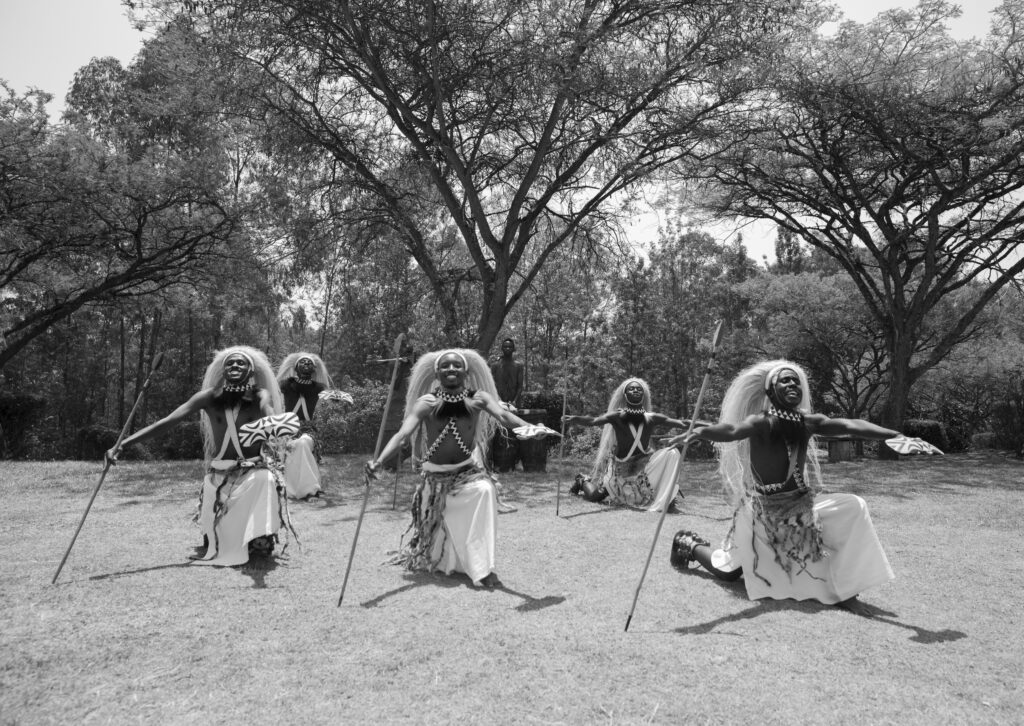
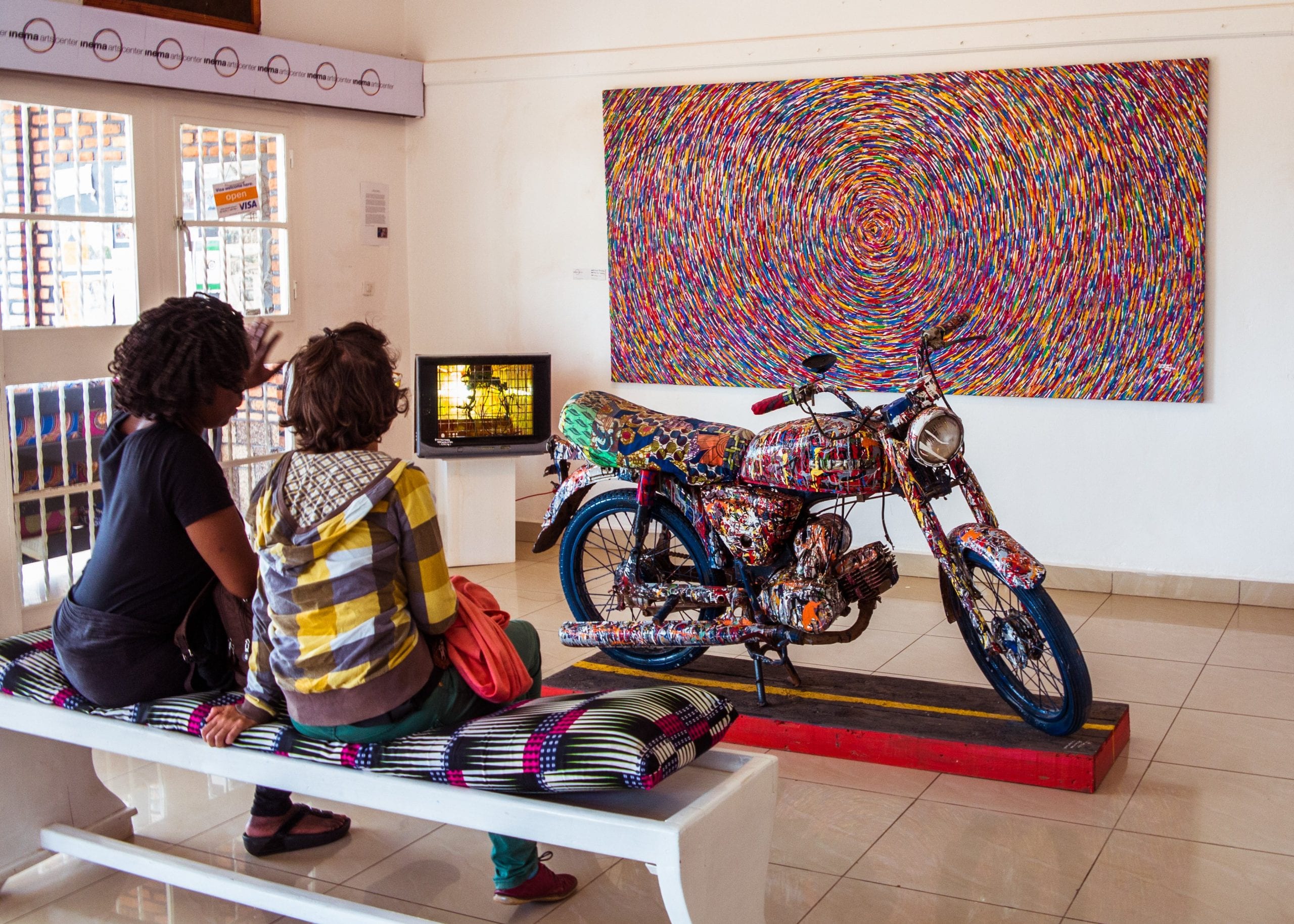
Founded by brothers and self-taught painters, Inema Arts Center in Kacyiru is a creative hub showcasing contemporary African paintings, mixed-media sculpture, and live musical or traditional dance performances. The on-site sculpture garden and cafe make it an inspiring spot to relax and converse with resident artists. If you want to experience authentic cultural performing arts, read our guide on Intore Dance in Rwanda: Discover the Heart of Rwandan Culture.
For more gallery hopping, check out Ivuka Arts nearby, as well as the contemporary exhibitions at Rwanda Art Museum located in the former Presidential Palace in Kanombe. To see how these traditions live beyond the capital, explore our hands-on Rwanda Culture Experience Tour.
Two traditional art forms carry deep cultural meaning in Rwanda:
To feel the heartbeat of daily Kigali, dive into its markets and pedestrian promenades.
Located in Gasabo district, Kimironko Market is Kigali’s busiest and most colorful commercial market. Beneath its vast roof, narrow aisles are stacked high with vibrant produce, spices, household goods, and rows of colorful Kitenge and African wax fabrics.
In the vibrant Nyamirambo neighborhood, the Biryogo Car-Free Zone comes alive in late afternoon and evening. Brightly painted street asphalt, plastic tables set beneath colorful parasols, and open-air conversation create a warm community atmosphere.
Biryogo is famous across Kigali for its steaming pots of spiced green and black tea—locally known as Chai Biryogo—brewed with ginger, cloves, and fresh mint. Order a metal pot of spiced tea, pair it with fried dough snacks (mandazi) or roasted samosas, and watch neighborhood life unfold around you.
Kigali is renowned for its environmental leadership, clean paved roads, and lush urban greenbelts.
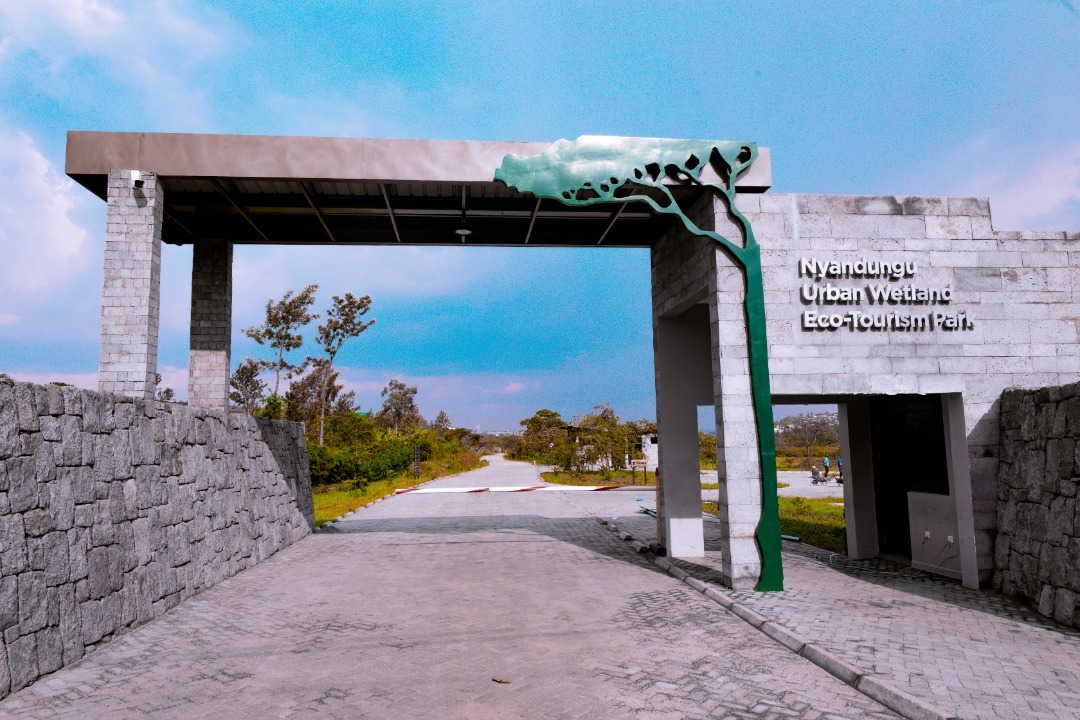
Spanning over 120 hectares between Gasabo and Kicukiro, Nyandungu Urban Wetland Eco-Park is an inspiring environmental restoration success story. Once a degraded industrial wasteland, it has been transformed into a pristine wetland sanctuary featuring over 17,000 planted indigenous trees, five ornamental ponds, and tranquil boardwalks. It is an extraordinary spot for birdwatching (over 100 recorded bird species), morning jogging, or renting a bicycle along paved forest trails.
Rising above the southwestern side of the capital, Mount Kigali offers some of the finest panoramic vistas across the city ridges and surrounding countryside. Perched near the summit is Fazenda Sengha, an outdoor recreational center offering horseback riding, archery, quad biking, and zip-lining over eucalyptus canopies. It is a fantastic afternoon escape for families, couples, and photography lovers looking to catch the golden sunset over Kigali’s hills.
Dining in Kigali ranges from cozy local milk bars to upscale hillside terraces, anchored by classic Rwandan comfort food and world-class specialty coffee.
Rwanda’s high elevations and volcanic soil produce some of the finest Bourbon Arabica beans on earth. In Kigali, specialty cafes roast and brew directly from smallholder cooperatives across the Western and Northern provinces. Spots like Question Coffee, Inzora Rooftop Cafe, and Java House provide lovely settings to enjoy a pour-over while reading or catching up on work. If you love seeing how coffee is grown and processed from scratch, take a look at our Lake Kivu Coffee Tour along the western shores.

After immersing yourself in Kigali’s rich history, art galleries, and lively street culture, the logical next step is exploring the natural wonders of western Rwanda. Kigali serves as the main launchpad for the country’s most scenic escapes:
Continue planning your Rwandan journey with our hand-picked guides:
Need private airport pick-up, a guided Kigali city excursion, or custom safari transport heading to Lake Kivu, Volcanoes, and Nyungwe? We take care of every road transfer, private boat hire, and itinerary coordination so you can travel comfortably and authentically.
Contact Aimable Igiraneza & the Go Lake Kivu Adventure Team: