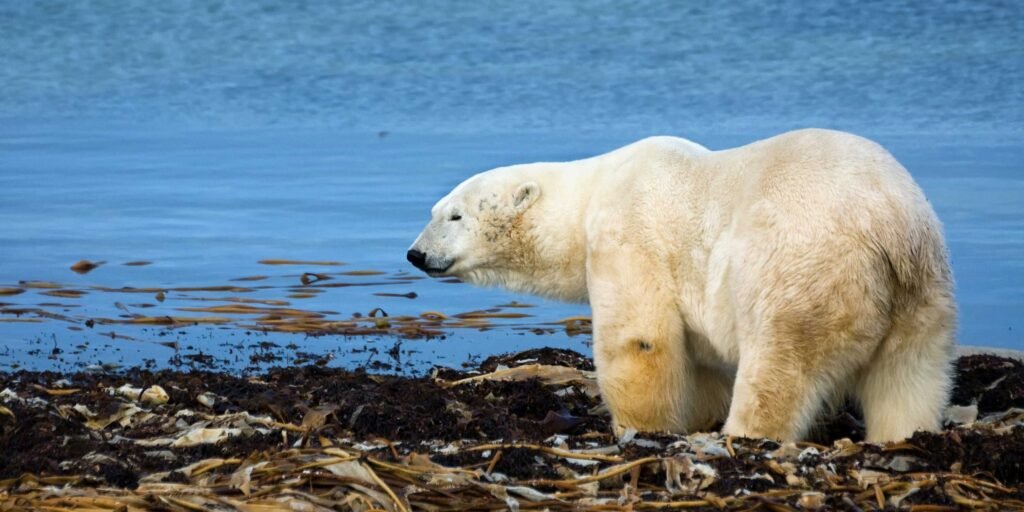

Natural habitats across the planet are disappearing at an alarming rate. Forests, wetlands, rivers, and grasslands are being damaged by deforestation, climate change, pollution, and expanding human development. According to global conservation research, habitat destruction remains the leading cause of biodiversity loss and species extinction.
International organizations such as the International Union for Conservation of Nature (IUCN) and the World Wildlife Fund (WWF) warn that thousands of animal and plant species are now at risk because the ecosystems they depend on are shrinking rapidly.
Healthy ecosystems are essential not only for wildlife but also for human survival. Natural habitats regulate climate, protect water sources, support agriculture, and maintain the balance of life on Earth. When these ecosystems are destroyed, the consequences are felt globally.
Species Lost Because of Habitat Destruction
The disappearance of natural habitats has already caused the extinction or severe decline of several species.

One example is the Bramble Cay melomys, a small rodent that once lived on a coral island in the Torres Strait. Rising sea levels and coastal erosion destroyed the vegetation it relied on for survival, leading scientists to confirm its extinction in the early 21st century. It is widely recognized as one of the first mammal extinctions directly linked to climate change.
Another striking example is the Hainan gibbon, one of the rarest primates on Earth. Large areas of its forest habitat were cleared for development and agriculture, leaving only a tiny population in the wild today.
Freshwater ecosystems have also suffered dramatic losses. The Chinese giant salamander, the world’s largest amphibian, has experienced massive population declines due to dam construction, pollution, and habitat destruction.
These examples illustrate how quickly wildlife can disappear when natural ecosystems are damaged.
Forests Under Increasing Global Pressure
Many of the world’s most important ecosystems are under serious threat. The Amazon Rainforest, often called the “lungs of the Earth,” has lost millions of hectares to agriculture, mining, and logging.
In Southeast Asia, rainforest destruction has placed species such as the Bornean orangutan at serious risk of extinction.
Similarly, the decline of old-growth forests in North America has threatened species like the Northern spotted owl, which relies on mature forest habitats to survive.
These global trends highlight the urgent need to protect remaining natural ecosystems before they reach irreversible damage.
Nyungwe: A Rare Refuge for Biodiversity
Despite these challenges, some protected ecosystems continue to demonstrate the power of conservation. One remarkable example is Nyungwe National Park, an ancient montane rainforest recognized as a UNESCO World Heritage Site.
Nyungwe is considered one of the most biodiverse forests in Africa. Scientists have recorded hundreds of bird species, numerous primates, rare orchids, and a wide range of mammals and insects within its dense tropical canopy.
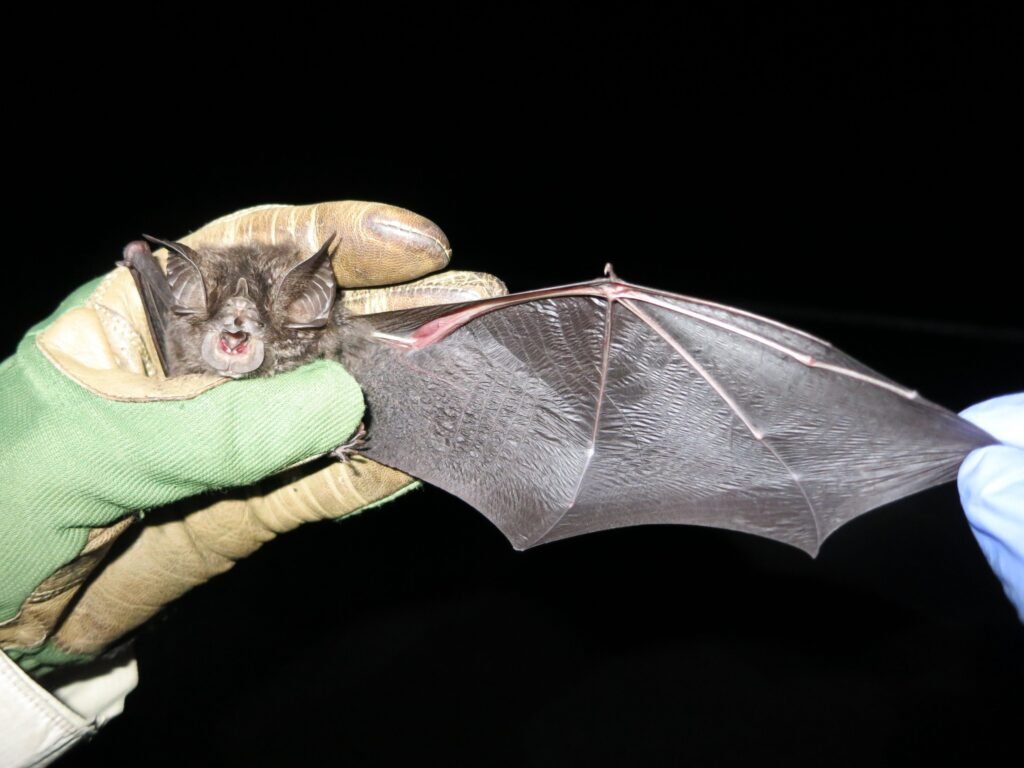
Recent scientific discoveries in Nyungwe have attracted international attention, particularly in the study of bats. The critically endangered Hill’s horseshoe bat (Rhinolophus hilli), which had not been recorded for approximately 40 years, was rediscovered during surveys conducted between 2019 and 2022.
Researchers in the forest also identified several other rare species, including; the Cameroon leaf-nosed bat, Lander’s horseshoe bat, and the Damara woolly bat. Recent biodiversity surveys have confirmed at least ten bat species living in the park.
These discoveries highlight how well-protected forests can serve as refuges for species that may have disappeared elsewhere.
Why Protecting Natural Habitats Is Urgent
Environmental scientists agree that preventing habitat destruction is far more effective than trying to restore ecosystems after they are lost. Once a species becomes extinct, it cannot be brought back.
Global conservation strategies now focus on expanding protected areas, restoring degraded ecosystems, and encouraging sustainable activities such as responsible tourism and community-based conservation.
Forests like Nyungwe demonstrate that when ecosystems are protected, they can continue to support wildlife, advance scientific research, and maintain the natural balance that sustains life on Earth.
Protecting natural habitats today is essential to preserve biodiversity and ensure that future generations inherit a healthy and thriving planet.