
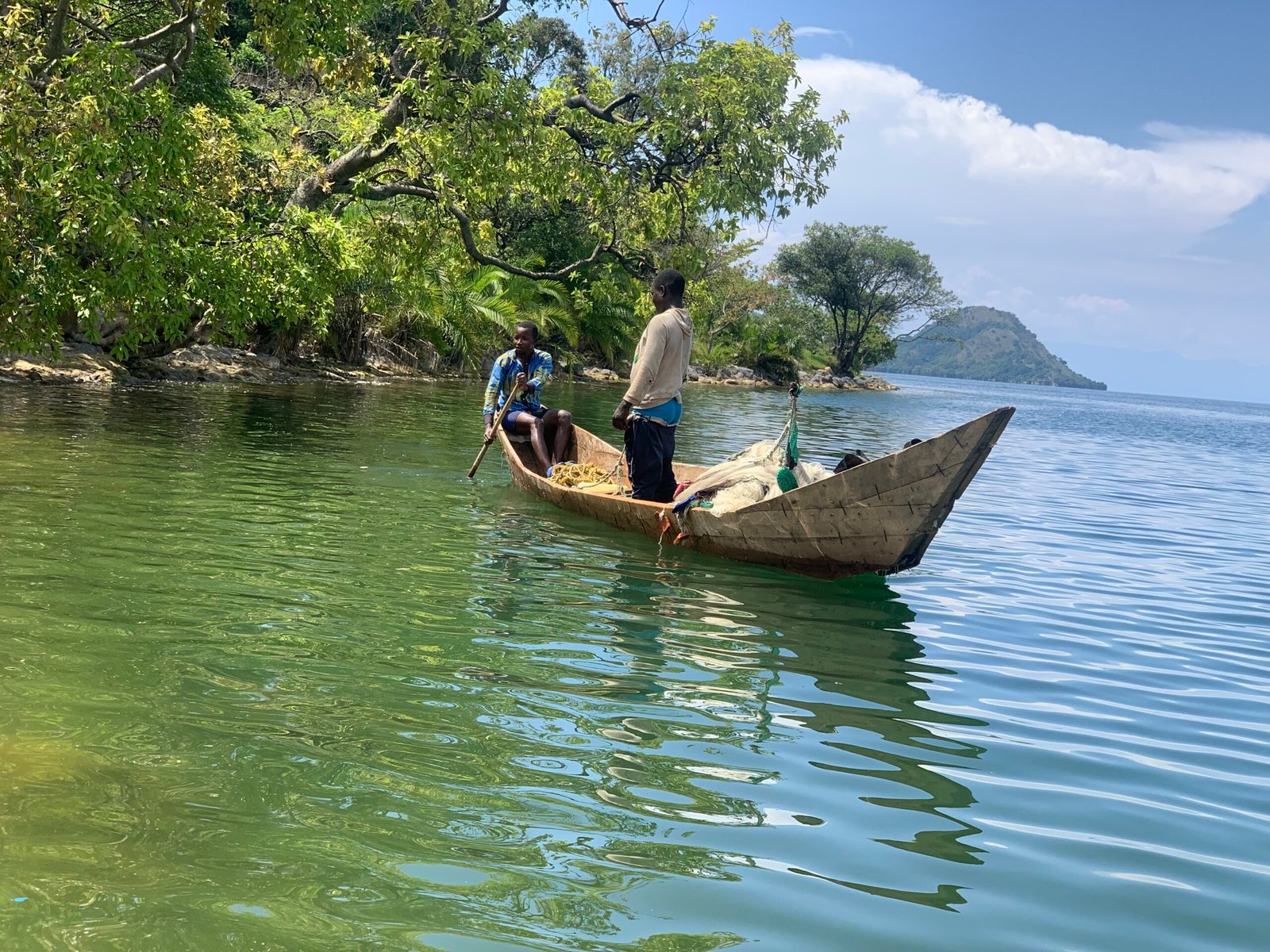
Lake Kivu is one of Africa’s most extraordinary lakes, a place where peaceful natural beauty exists side-by-side with rare scientific features, deep cultural heritage, and unforgettable landscapes. Stretching along the border of Rwanda and the Democratic Republic of Congo, it winds through volcanic mountains, terraced hills, quiet bays, and scattered islands. It is Rwanda’s largest lake and one of the most unique freshwater lakes anywhere in the world.
This blog brings together everything about Lake Kivu: its biography, scientific formation, the local tale of Nyiransibura, geography, wildlife, culture, and the experiences that make it a must-visit destination.
1. Biography of Lake Kivu
Lake Kivu covers more than 2,700 square kilometers and sits about 1,460 meters above sea level. It connects three major Rwandan towns:
• Rubavu (Gisenyi) in the north
• Karongi (Kibuye) in the center
• Rusizi (Cyangugu) in the south
The lake reaches an impressive maximum depth of around 480 meters, making it one of the deepest lakes in Africa.
As part of the Albertine Rift, the lake is framed by volcanic mountains, steep hillsides, and some of the most dramatic views in the region.
2. How Lake Kivu Was Formed: Science Meets Local Tradition
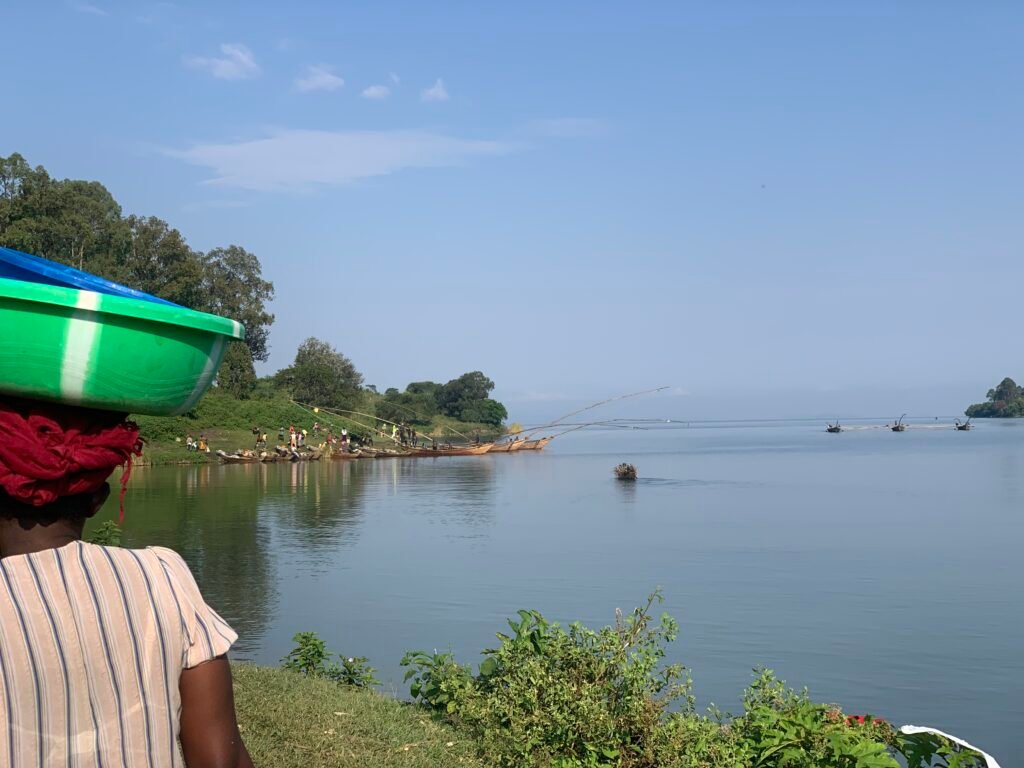
The story of Lake Kivu’s creation is told in two complementary ways:
scientifically, through the geological shaping of the land, and culturally, through the traditional tale of Nyiransibura.
Scientific Creation
Millions of years ago, the Virunga volcanoes reshaped the land with powerful eruptions and thick lava flows. These flows blocked ancient rivers, forming a natural basin that slowly filled with water. Over time, this basin became the deep and expansive Lake Kivu we know today.
This volcanic birth explains the lake’s depth, shape, and the presence of natural gases in its deeper waters.
Local Tale of Nyiransibura
Alongside science, local communities share a cultural tale of Nyiransibura, a woman symbolically connected to the origins of water in the region. In this story, a powerful event involving Nyiransibura releases water that spreads through valleys, filling the lowlands that later become Lake Kivu.The story behind of Lake Kivu’s formation, learn more about tale of Nyiransibura
This tale represents the spiritual relationship between people, land, and water, a reminder that the lake is not only a geological creation but also a cultural treasure woven into Rwanda’s storytelling traditions.
3. The Science of Lake Kivu: A Rare Meromictic Lake
Lake Kivu is one of the few meromictic lakes in the world. This means it has two major layers of water that do not mix—the upper fresh layer and the deep mineral-rich layer.
Because they remain separate for extremely long periods, large amounts of methane and carbon dioxide have accumulated in the deeper layer. This gas buildup comes from volcanic activity beneath the lake and natural biological processes over thousands of years.
Rwanda safely extracts methane from these deep layers to generate electricity, turning a natural challenge into a national resource and reducing long-term gas pressure.
The surface water remains completely safe for swimming, boating, kayaking, and fishing.
Fish and Wildlife in Lake Kivu
Despite its unique structure, Lake Kivu supports an active ecosystem. It is home to:
• Sambaza, the most famous and widely harvested fish
• Other freshwater fish species like more species of Cichlids, Tilapia, Catfish, Crabs, and more
• Over 500 bird species across its shoresFacts about Cormorants
• Wetland wildlife in surrounding marshes
• Spot-Necked Otters, occasionally seen along the shores and around islands
These otters are a special highlight for nature lovers and a sign of a healthy, thriving lake environment.
4. Geography and Natural Environment
Lake Kivu’s landscape shifts beautifully from north to south. Its coastline forms bays, beaches, rocky cliffs, and forested peninsulas. The hills are covered with banana groves, villages, coffee farms, and terraced fields that descend toward the water.
The scenery changes constantly—misty volcanic mountains in Rubavu, dramatic island clusters in Karongi, and gentle rolling landscapes in Rusizi.
5. Islands of Lake Kivu
Lake Kivu is rich with islands, each with its own character.
Napoleon Island (Nyamunini)
Known for:
• Thousands of fruit bats
• A scenic hike to the summit
• Calm waters for swimming
• Panoramic views of the lake
Amahoro Island (Peace Island)
A quiet paradise ideal for:
• Birdwatching
• Swimming
• Relaxation
Monkey Island
A small island where curious monkeys move among the trees.
Other Islands
Many smaller islands host fishing families, coffee sites, or untouched nature, perfect for boat tours and photography.
6. Culture and Life Around the Lake
Traditional Night Fishing
One of Lake Kivu’s defining traditions is night fishing. Three wooden canoes are tied together, and fishermen use bright lamps to attract sambaza. Their teamwork, songs, and lights create one of the most beautiful night scenes on the lake.( look for tour operator to make it more perfect for you) A day tour; Explore, Taste & Relax
Coffee and Banana Plantations
The slopes around the lake produce some of Rwanda’s finest Arabica coffee. Visitors can tour plantations, watch the coffee drying process, and enjoy fresh tastings.
Warm Lakeside Communities
Life along the lake is peaceful and friendly. Visitors often meet fishermen preparing nets, farmers working the hills, and children playing along the shores.
7. Activities and Adventures
Boat Tours
Explore islands, wildlife, and secret bays.
Kayaking and Canoeing
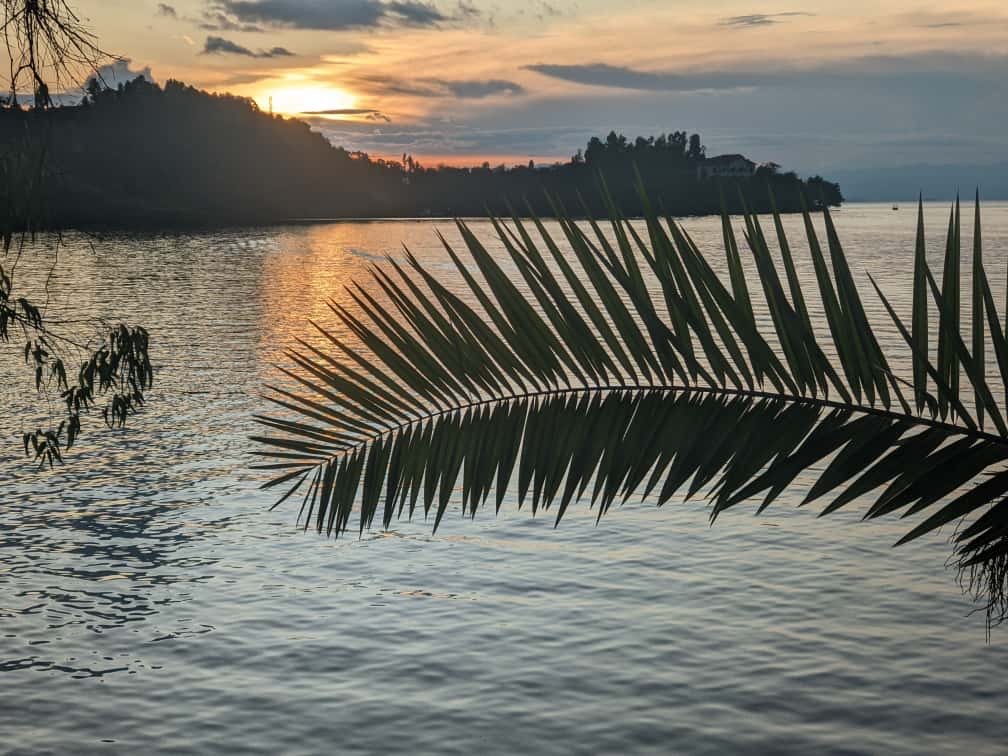
Perfect during sunrise or sunset for quiet, reflective moments.
Swimming
Lake Kivu is safe and free of crocodiles and hippos. Which makes it perfect destination for swimming
Hiking
From short island hikes to challenging adventures like the Congo Nile Trail. You can use your energy from hiking to biking along this famous trail stretch on lake Kivu shore.
Night Fishing Experiences
Visitors can join fishermen on the water for an unforgettable cultural activity. look for tour operator to give you full details about this tour for good experience.Night fishing experience
Relaxation
Lakeside hotels and beaches allow travelers to unwind and enjoy the slow beauty of the lake.
8. Historical and Regional Importance
Lake Kivu has been important for centuries, serving as a natural resource for transportation, food, cultural gatherings, and settlement. Its islands and shores have played roles in trade, farming, storytelling, and daily life throughout Rwanda’s history.
9. Why Lake Kivu Is Unique
• One of the world’s rare meromictic lakes
• Deepest point reaching around 480 meters
• A blend of scientific significance and cultural storytelling
• Safe, clean, swimmable water
• Dozens of scenic islands
• Rich biodiversity, including spot-necked otters
• Active fishing culture with sambaza
• Peaceful landscapes and adventure opportunities
• Beautiful sunsets, hills, and volcanic scenery
No other lake in Africa combines this level of natural science, cultural tradition, and serene beauty.
Simply Lake Kivu is more than a lake. It is a place where volcanic forces shaped the earth, where cultural stories like the tale of Nyiransibura live in memory, and where communities today continue to find peace, identity, and inspiration.
Whether you explore its islands, enjoy its quiet waters, learn its history, or simply sit and watch the sunset, Lake Kivu offers an experience that stays with every visitors.
