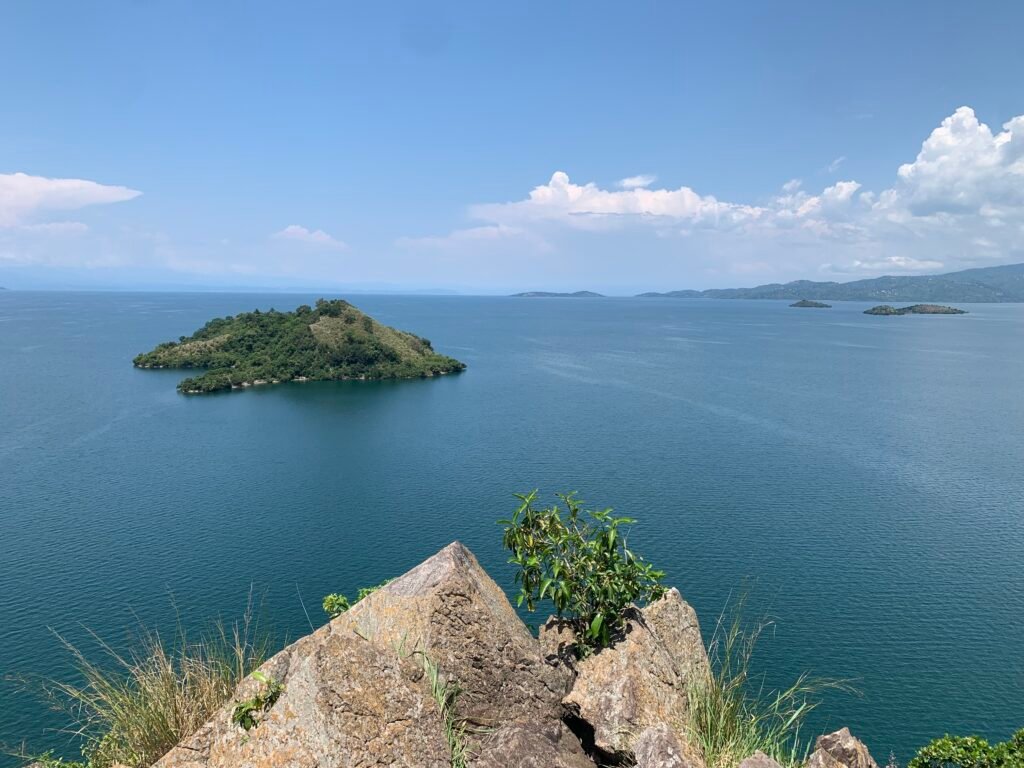
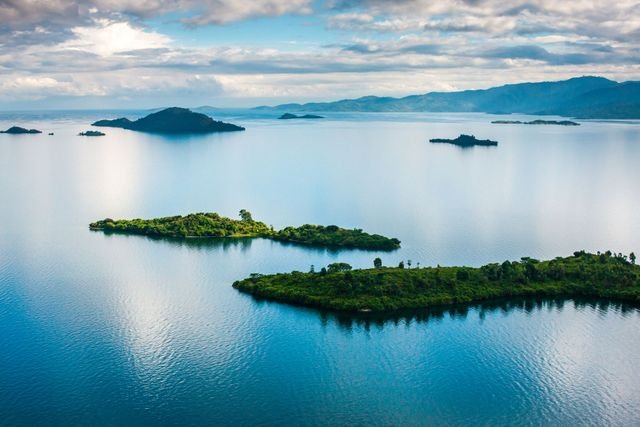
Lake Kivu is one of Africa’s most remarkable freshwater lakes and an important natural landmark in the Great Rift Valley. Located between Rwanda and the Democratic Republic of the Congo, the lake is known for its deep waters, scenic islands, and unique geological characteristics.
Beyond its beauty, Lake Kivu is also scientifically significant. It is one of the few meromictic lakes in the world, meaning that its deep waters do not mix with the upper layers. This rare feature, combined with its volcanic origin, makes Lake Kivu one of the most fascinating lakes in Africa.
The lake is shared by two countries:
•Democratic Republic of the Congo: approximately 58%
•Rwanda: approximately 42%
This shared ecosystem supports local communities through fishing, tourism, and energy production.
Geographic Location and Setting
Lake Kivu lies along Rwanda’s western border within the western branch of the East African Rift Valley. The lake sits at an elevation of approximately 1,460 meters above sea level, surrounded by steep hills, fertile farmland, and vibrant lakeside communities.
Several important towns are located along the Rwandan shoreline, including:
•Rubavu – a lively lakeside town known for beaches and tourism
•Karongi – one of the most scenic areas of the lake with many islands
•Rusizi – located at the southern end of the lake where water flows into the Ruzizi River
These towns serve as gateways for visitors exploring Lake Kivu and its surrounding landscapes.
you can also read; Lake Kivu; Frequently Asked Questions
Size and Physical Characteristics
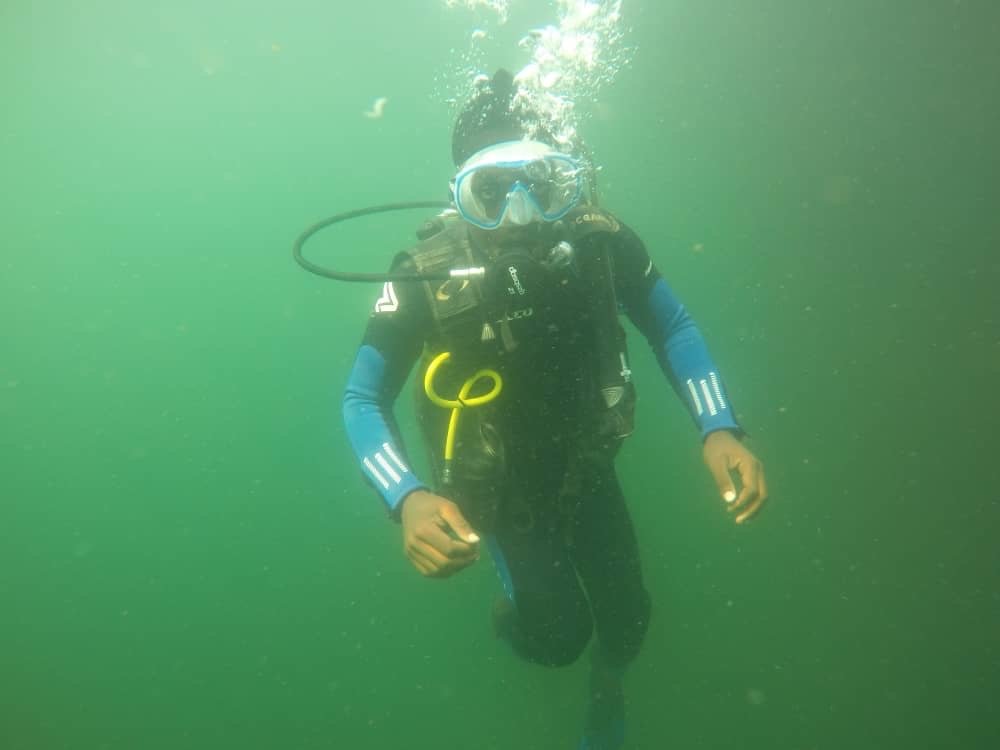
Lake Kivu is among the largest lakes in the Great Rift Valley system and one of the deepest lakes in Africa.
Key physical features include:
•Surface area: approximately 2,700 km²
•Length: about 89 km
•Maximum width: approximately 48 km
•Average depth: about 240 meters
•Maximum depth: approximately 485 meters
•Total shoreline: more than 1,300 kilometers
The lake was formed through tectonic and volcanic activity associated with the East African Rift Valley. The surrounding landscape includes volcanic mountains, forested hills, and fertile agricultural land.
Islands of Lake Kivu
One of the most striking characteristics of Lake Kivu is the presence of more than 150 islands scattered across its waters. These islands vary in size from small rocky outcrops to large inhabited land masses.
Largest Island
The largest island in Lake Kivu is Idjwi Island, located on the Congolese side of the lake. It is one of the largest inland islands in Africa and home to a large population that depends mainly on:
•Fishing
•Agriculture
•Small-scale trade
Notable Islands on the Rwandan Side
Several smaller islands are known for their natural beauty and tourism potential, including:
•Napoleon Island – famous for its colony of fruit bats
•Amahoro Island – a peaceful island popular for swimming and relaxation
•Monkey Island – known for its population of vervet monkeys
Nkombo island & Bugarura island these two are habituated is in Rwandan side.
Boat trips to these islands are among the most popular activities for visitors to Lake Kivu.
if you want to visit some of these islands; Boat ride to Napoleon island & 6 other Islands
Fish Species and Fisheries
Lake Kivu contains approximately 28 to 30 fish species, which is relatively low compared with other African Great Lakes. Despite this limited diversity, the lake supports an important fishing industry.
Important fish species found in Lake Kivu include:
•Sambaza (Limnothrissa miodon) – a sardine-like fish introduced in the 1950s
•Tilapia species
•Haplochromine cichlids
•Clarias catfish
•Barbus species
The sambaza fishery is particularly important for local communities. Fishermen typically operate at night, using lamps to attract the fish to their nets. At night, the lake becomes illuminated by hundreds of small fishing lights, creating a unique and beautiful spectacle.
Do you want to Join the fishermen & Learn more about the Fishes of lake kivu? Book here; Night fishing experience
Birdlife and Biodiversity
Lake Kivu and its surrounding habitats support a rich variety of birdlife. The region hosts more than 200 bird species, making it an excellent destination for birdwatching.
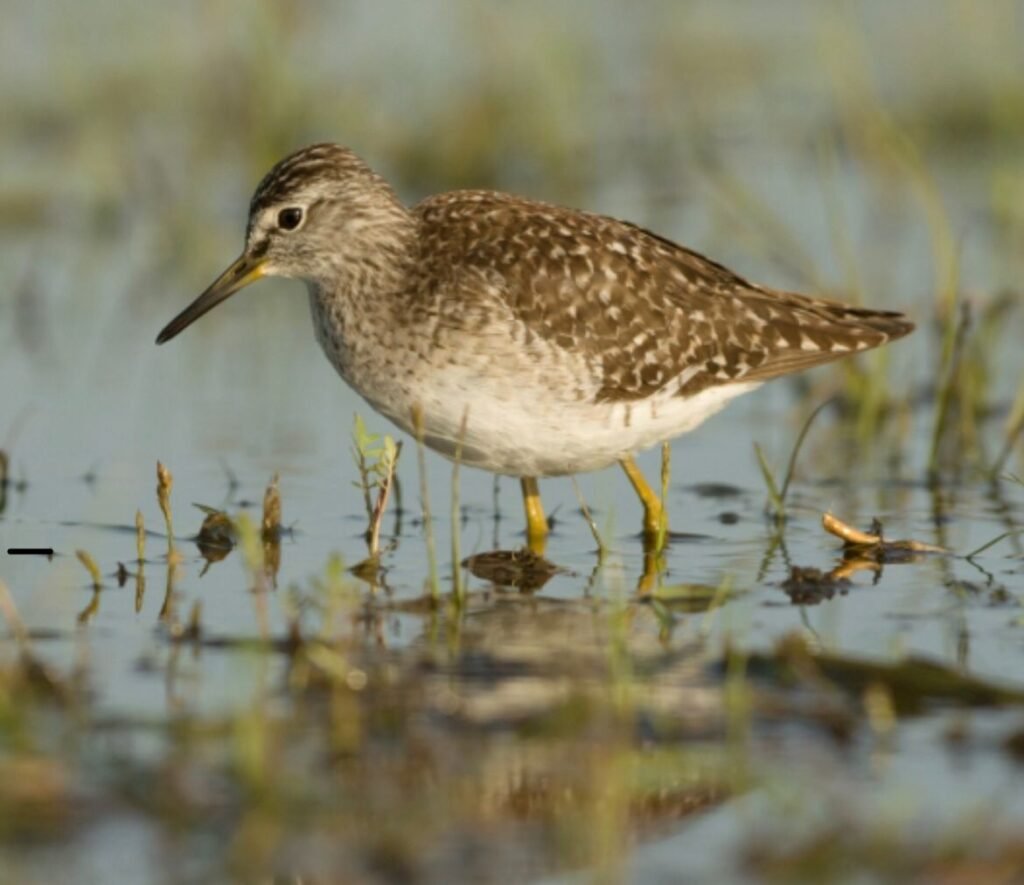
Common birds observed around the lake include:
•African fish eagle
•Pied kingfisher
•Malachite kingfisher
•Grey heron
•Great cormorant
•Long-tailed cormorant
•African jacana
•Spur-winged lapwing
•Palm-nut vulture
•Black crake
The combination of wetlands, forests, and islands provides ideal conditions for both resident and migratory bird species.
learn more about the Benefits of Birds watching; The Benefits of Birdwatching and Why You Should Try It
The Meromictic Structure of Lake Kivu
Lake Kivu is scientifically unique because it is a meromictic lake. In most lakes, water layers mix periodically due to wind and seasonal changes. In Lake Kivu, however, the deeper waters remain permanently separated from the upper layers.
The lake has two main water layers:
1. Upper Layer (Mixolimnion)
•Contains oxygen
•Supports fish and aquatic life
•Extends to roughly 60–70 meters depth
2. Deep Layer (Monimolimnion)
•Very dense and low in oxygen
•Contains large amounts of dissolved gases
•Does not mix with surface water
Over time, the deep waters have accumulated significant quantities of methane and carbon dioxide. These gases are partly produced by volcanic activity associated with nearby Rift Valley volcanoes.
Today, methane extraction projects in Rwanda use this resource to generate electricity, making Lake Kivu an important source of energy.
Hydrology and Regional Water System
Lake Kivu forms part of the Congo River Basin, one of the largest river systems in the world.
Water from Lake Kivu flows southward through the Ruzizi River, eventually reaching Lake Tanganyika. This connection links Lake Kivu to one of the longest freshwater drainage systems in Africa.
Tourism and Recreational Activities
Lake Kivu has become one of Rwanda’s leading tourism destinations, attracting visitors with its natural beauty and peaceful atmosphere.
Popular activities around the lake include:
• Boat excursions between the islands
• Kayaking and canoeing
• Swimming and beach relaxation
• Birdwatching tours
• Cultural visits to fishing communities
• Hiking and cycling along the Congo Nile Trail
The lake is also a popular place to relax after visiting Rwanda’s national parks and wildlife reserves.
Lake Kivu is not only one of the most beautiful lakes in Africa but also one of the most unique from a scientific perspective. Its volcanic origin, exceptional depth, large number of islands, and rare meromictic structure distinguish it from most other lakes on the continent.
Shared between Rwanda and the Democratic Republic of the Congo, Lake Kivu plays a vital role in regional ecosystems, local economies, and tourism development.
For visitors seeking a destination that combines natural beauty, cultural experiences, and outdoor adventure, Lake Kivu remains one of the most extraordinary landscapes in East Africa.