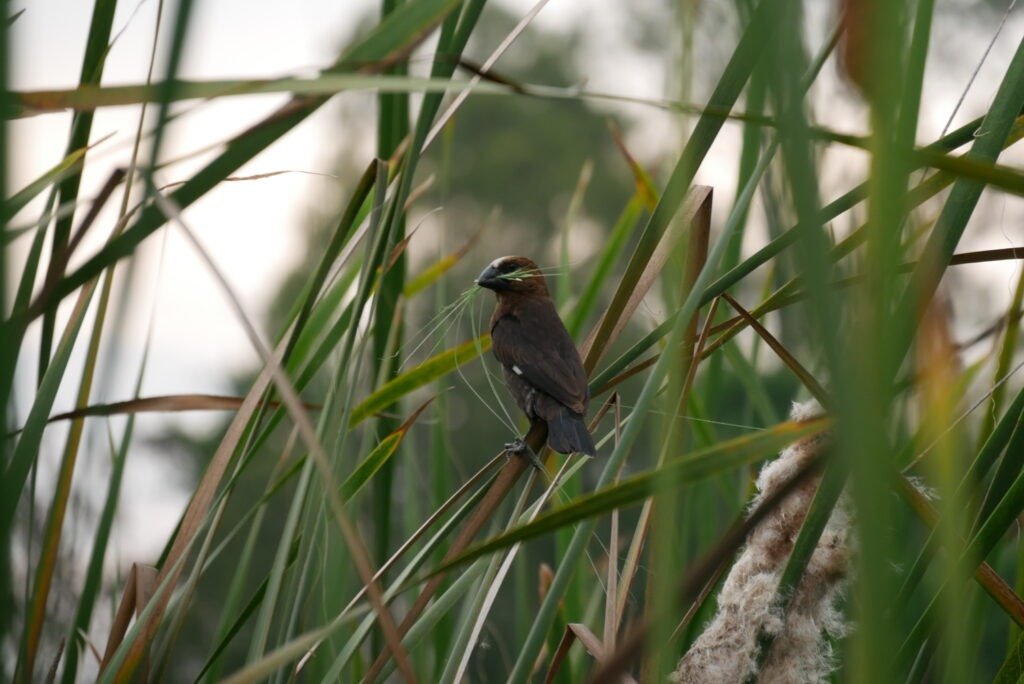
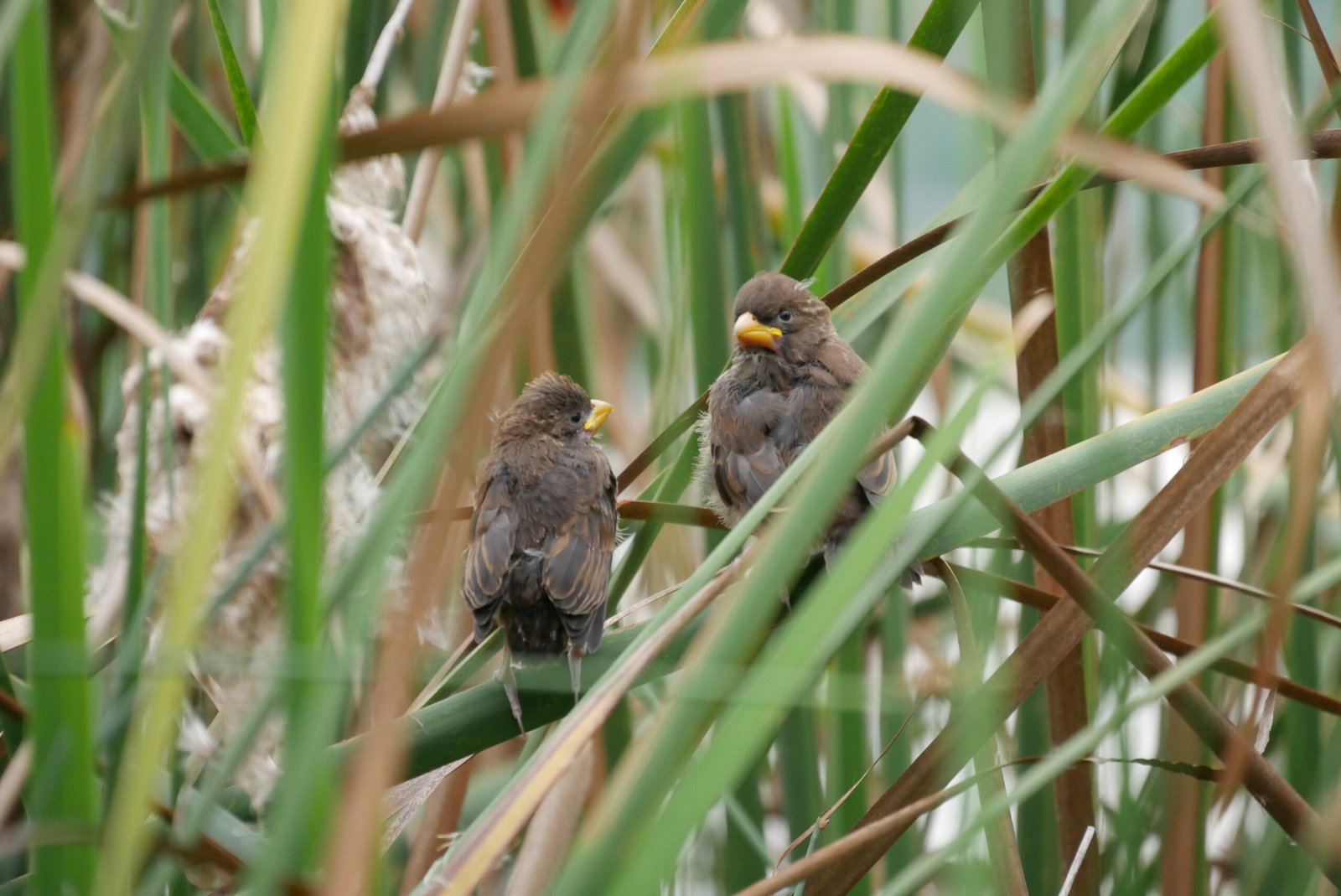
At sunrise on the calm shores of Lake Kivu, I sat quietly with my binoculars, listening to the soft sounds of nature waking up. The water was still, the air fresh, and birds were already busy.
One bird flew past me with a small piece of grass in its beak. Then another followed. Not long after, I noticed a pair moving together, calling softly to each other. At that moment, I realized I was watching something special the beginning of bird breeding season.
As a birdwatcher, I have seen this same story repeat itself not only at Lake Kivu but in many places around the world. Different birds, different environments but the same beautiful process of life.
A Universal Story: Birds Breeding Across the World
From African lakes to Asian forests and European wetlands, birds follow a natural cycle to reproduce. This process is simple, yet powerful. It is how life continues.
Let me take you through this journey just as I have seen it in the wild.
1. The First Sign: Courtship
Before anything else, birds must find a partner. This stage is called courtship, and it is one of the most exciting parts to watch.
You may see:
- Birds singing early in the morning
- Bright feathers being displayed
- Dancing or flying in special ways
- One bird offering food to another
It may look like a show but it has a purpose. Birds are choosing the best partner to start a family.
2. A Quiet Moment: Mating
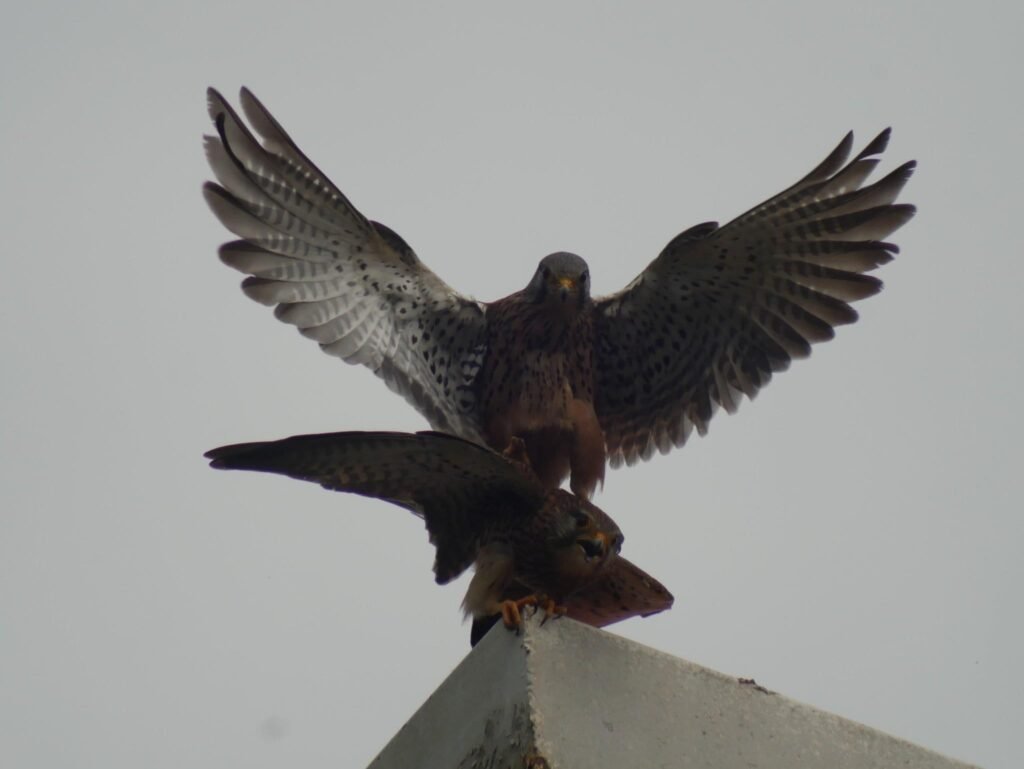
After courtship, birds mate. It happens very quickly and often goes unnoticed.
But this small moment is very important:
- The egg inside the female becomes fertilized
- A new life begins
Nature works quietly, but powerfully.
3. Building the Future: Nesting
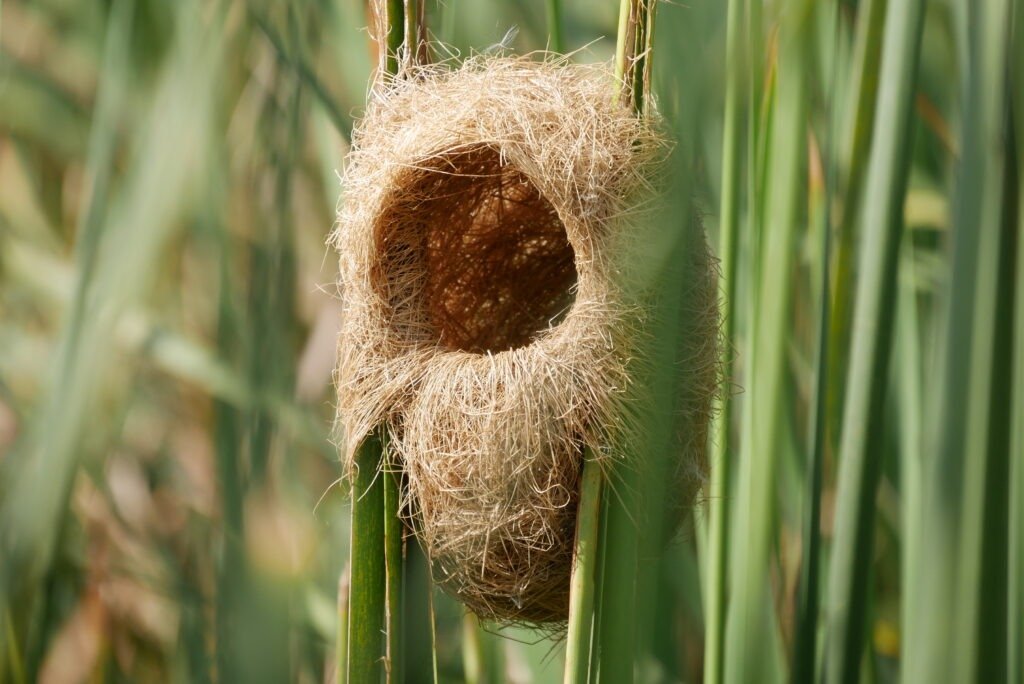
Soon after, birds begin building nests. Around Lake Kivu, I often see birds collecting:
- Grass
- Small sticks
- Leaves
Across the world, nests can be found:
- High in trees
- Hidden in grass
- On cliffs
- Near water
Each nest is carefully made to protect the next generation.
4. The Miracle of Eggs
Once the nest is ready, the female lays eggs.
Some birds lay one egg, others lay many. Each egg holds a growing chick inside, protected by a strong shell.
This stage is quiet but full of life.
5. Patience in Nature: Incubation
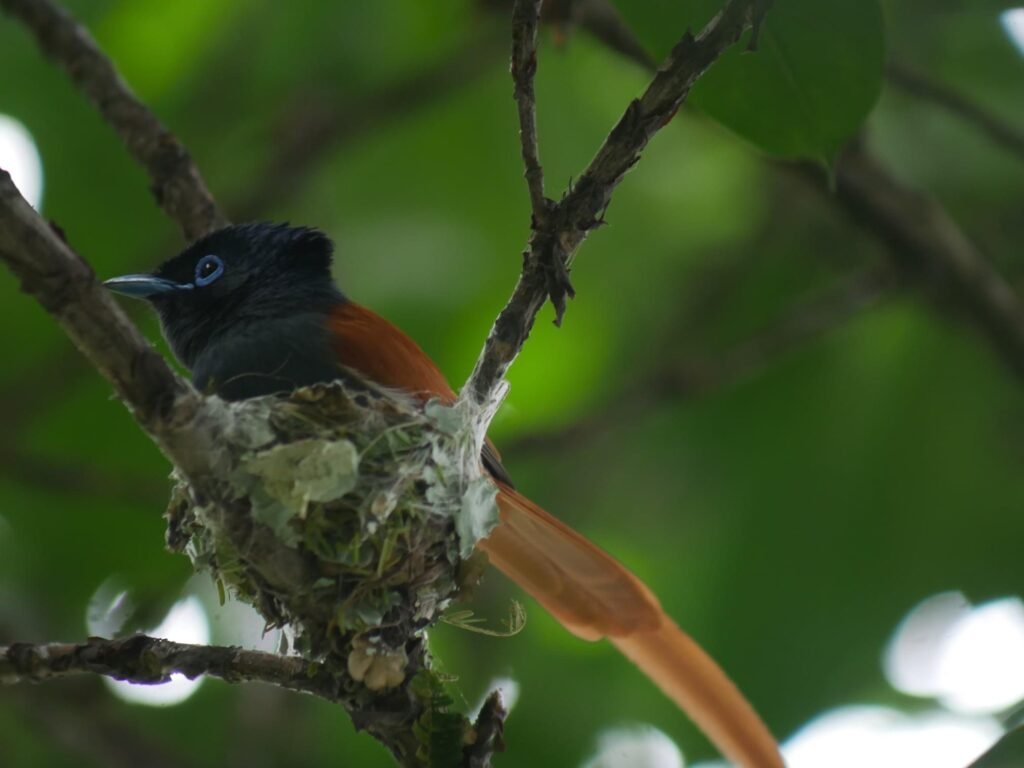
Now comes a time of patience.
The parent birds sit on the eggs to keep them warm. This is called incubation.
During this time:
- Birds rarely leave the nest
- They protect the eggs from danger
- They wait… sometimes for weeks
As a birdwatcher, this is when you learn patience too.
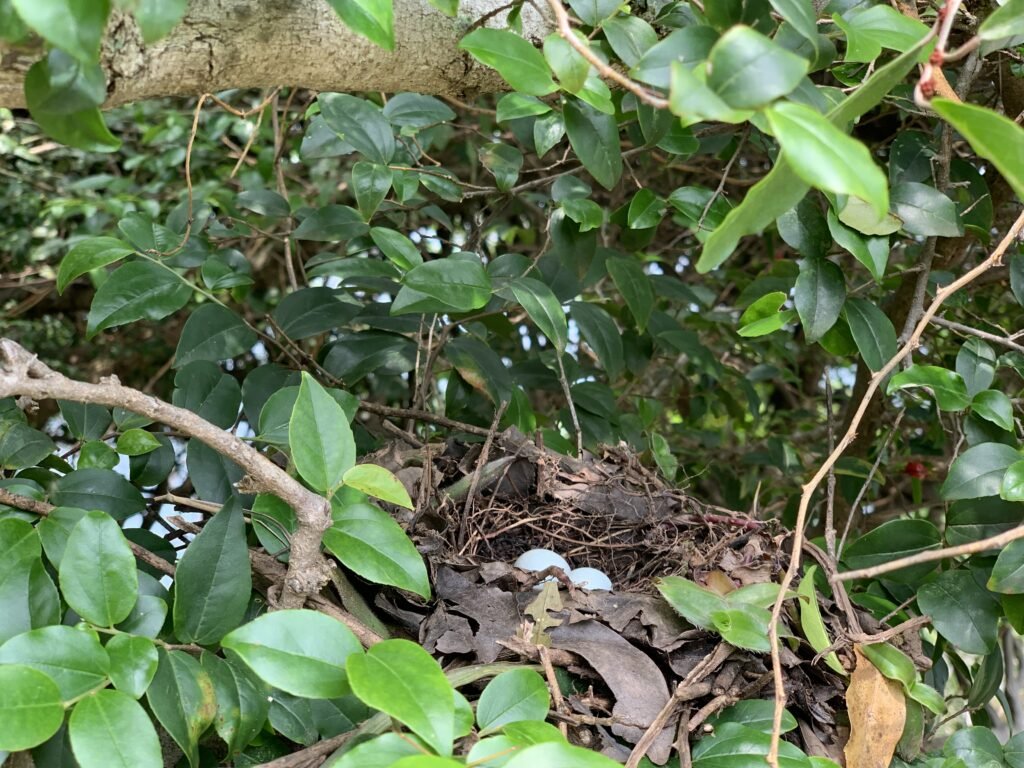
6. A New Beginning: Hatching
One day, everything changes.
The eggs begin to crack.
Tiny chicks slowly break out of their shells. This moment, called hatching, is one of the most beautiful sights in nature.
Life has arrived.
7. Hard Work: Raising the Chicks
After hatching, the real work begins.
Parent birds become very busy:
- Bringing food again and again
- Protecting their young
- Keeping them warm
In every country I have visited, this part is always the same birds are caring and dedicated parents.
8. The First Flight: Freedom
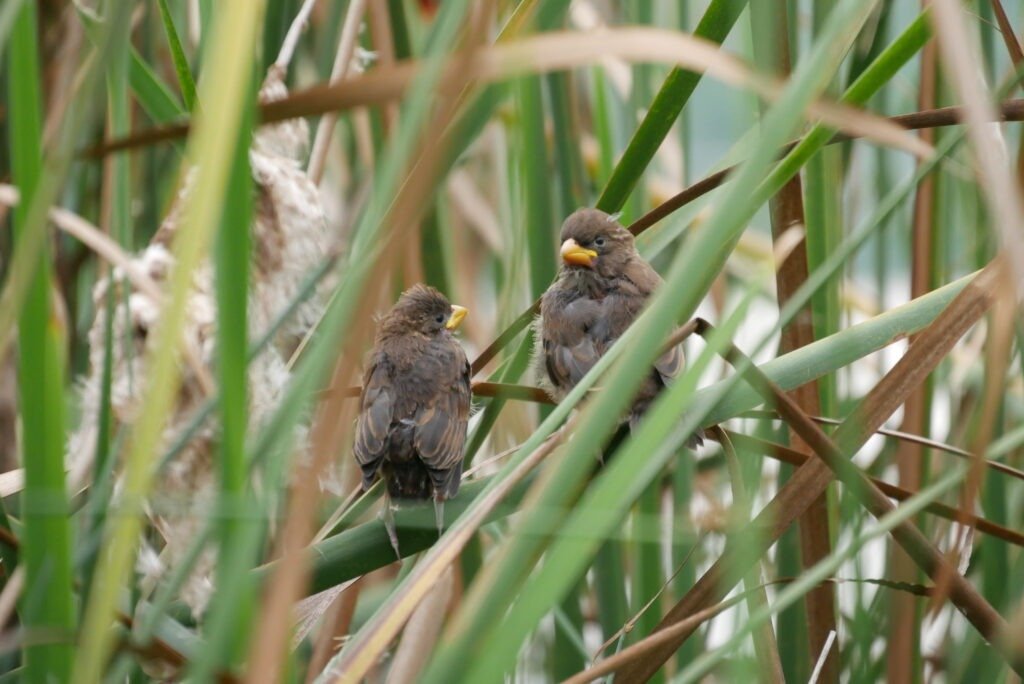
As the chicks grow, they become stronger. Feathers appear. Wings start to move.
Then comes the big moment—fledging.
Young birds leave the nest and try to fly for the first time. It is not always perfect, but it is always powerful.
This is the moment they begin their independent life.
Why This Process Matters to the World
Bird breeding is not just about birds it supports all of nature.
Birds help to:
•Control insects
•Spread seeds
•Keep ecosystems healthy
From Lake Kivu to every corner of the world, birds play an important role in keeping nature alive.
As I sat by the lake that morning, watching birds begin their journey, I understood something simple but important:
Nature does not rush, but it never stops.
The process of bird breeding is a story of patience, care, and survival. It happens every day, all over the world, often without us noticing. But once you see it even just once, you will never look at birds the same way again.